








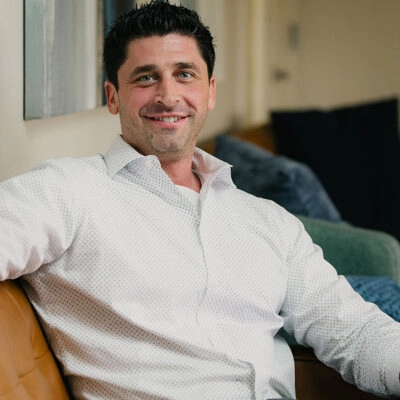
DIRECTOR OF BUSINESS DEVELOPMENT
Andy Brimmer is a dynamic Director of Business Development with extensive experience in sales strategy, talent sourcing, and client relationship management across the healthcare sector. Based in Fresno, California, Andy holds an MBA from Purdue Global and a BS in Business Administration from California State University, Fresno. He has a proven ability to drive revenue growth, negotiate contracts, and build strong pipelines using tools like ZoomInfo, LinkedIn Recruiter, and various CRMs. With a background that spans staffing solutions, medical recruitment, dental sales, and career development, Andy brings a well-rounded and strategic approach to business growth and team leadership.

Director of Operations
Angel Dean is an accomplished healthcare executive with over 15 years of leadership experience in medical administration, provider services, and surgical specialty management. She holds a Master of Science in Healthcare Administration and a Bachelor of Science in Business Administration from Cal State East Bay. Angel has held senior roles including Executive Director, where she spearheaded operational strategy, team development, and revenue growth. Fluent in Urdu and Punjabi, Angel excels in strategic planning, employee development, and healthcare compliance.

ADULT IOP CLINICAL DIRECTOR
As Adult IOP Clinical Director, I oversee our adult intensive outpatient program, guiding both the clinical work and the overall experience so the care you receive is grounded, coordinated, and truly built around you.
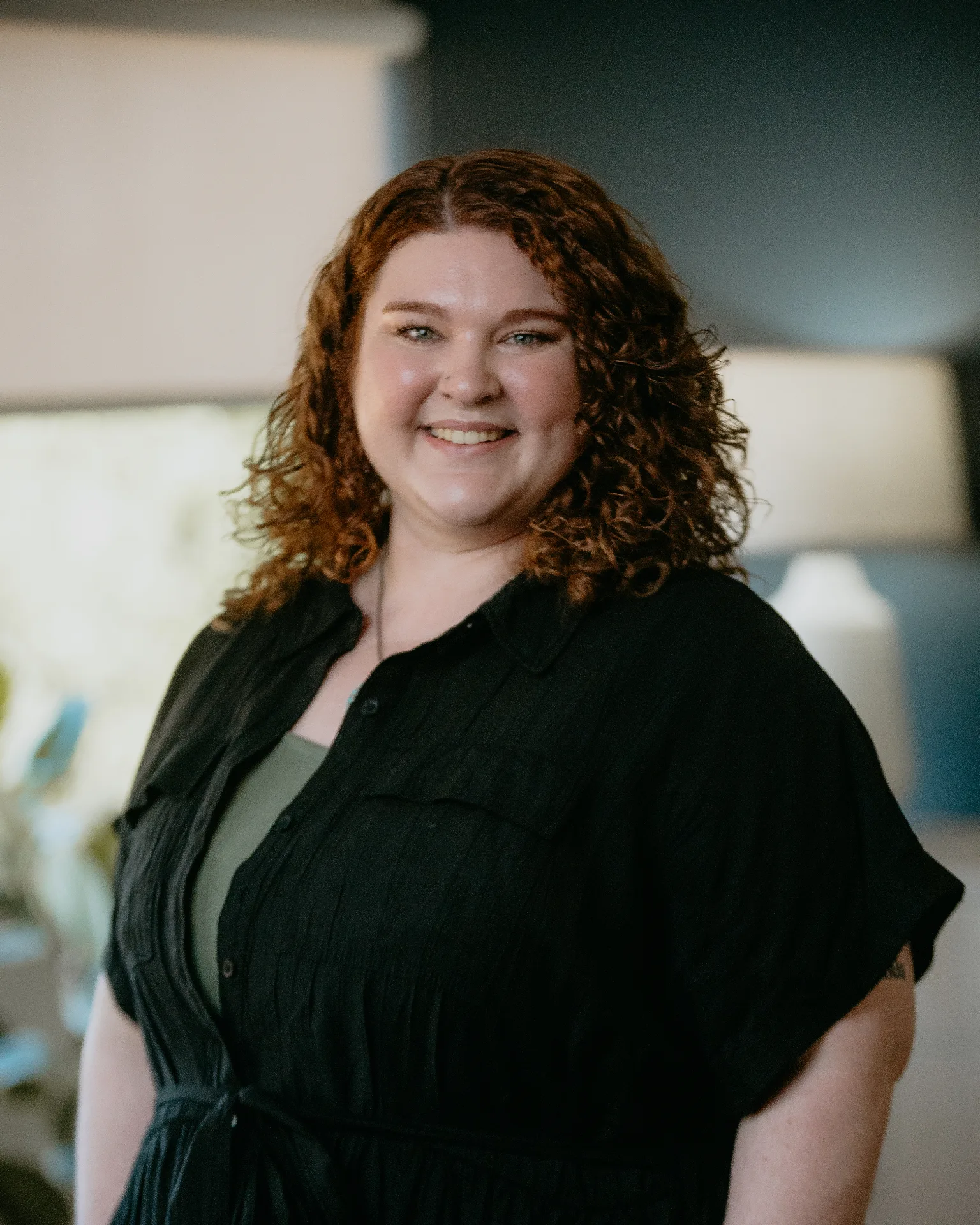
LEAD ADULT IOP/PHP CLINICIAN
As Lead Adult IOP/PHP Clinician, I provide direct clinical care while helping ensure the delivery of high-quality, evidence-based treatment across our adult program, creating a therapeutic environment where clients feel supported, empowered, and equipped for lasting recovery.
Prior to joining Vitalize Behavioral Health, I gained valuable experience working with individuals experiencing a wide range of mental health concerns across diverse clinical settings. That background strengthened my ability to work with complex clinical presentations, facilitate meaningful group therapy, and collaborate with multidisciplinary teams to provide comprehensive, client-centered care, closely aligning with Vitalize’s mission of delivering personalized, evidence-based behavioral health services.
I have a passion for working with adults navigating anxiety, depression, trauma, mood disorders, life transitions, and interpersonal challenges.
I believe that healing occurs through authentic connection, collaboration, and helping clients recognize their own strengths. My therapeutic approach integrates evidence-based interventions while honoring each client’s values, culture, and lived experiences.
As the Lead Adult IOP/PHP Clinician, I am committed to fostering a culture of clinical excellence, teamwork, and compassionate care. I am passionate about helping clients build resilience, develop practical coping strategies, and achieve meaningful progress toward their personal goals, embodying Vitalize’s commitment to individualized care that empowers every client to thrive.
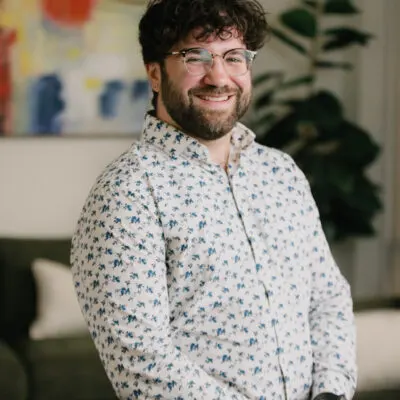
Clinical Director
I am a client-centered and ACT-focused clinician with a significant history working with children and adolescents. I deeply believe that therapy needs to be driven by the people we are working with, in order to achieve their own unique goals and personal ideals in regards to what they want their lives to be.
I was trained as a person centered therapist through my graduate program and quickly gravitated towards acceptance and commitment therapy, which is a third wave behavioral therapy that focuses on acceptance of emotions and thoughts, coping effectively and committing to living our lives by our own values and ideals. I also utilize play therapy with younger clients that allows them to explore and process their emotions and struggles through a developmentally appropriate process. What clients can expect more than anything else is receiving therapy that is tailored to their needs. This would include exploring what gets in the way of them living how they want in a deep, meaningful way, developing skills and strategies that are tailored to their experience, and moving in a significant way towards the behaviors and goals they desire for themselves.
Primarily I gravitated towards becoming a therapist as I grew up with family members who needed mental health care in significant ways and I saw first hand how good, quality care benefitted them. I also attended therapy as a child and teenager and will be forever grateful that I saw competent, ethical therapists. Beyond that I am also a lifelong athlete who has seen the benefits of sports and meaningful experiences on people’s lives. I have been a whitewater river raft guide for the past 15 years and have worked on the Kings River and the American River.
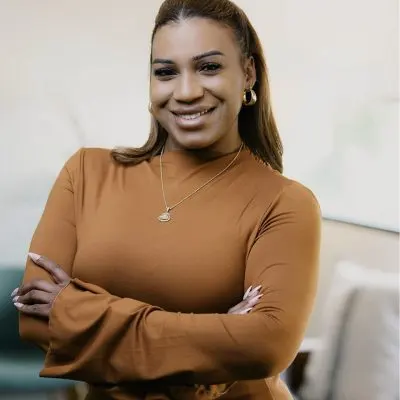
REGIONAL CLINICAL DIRECTOR
As the Regional Clinical Director of the Adult IOP/PHP program, I bring over three years of experience in intensive outpatient care and six years in crisis intervention and emergency response alongside law enforcement. My clinical work is grounded in a psychodynamic approach through a trauma-informed lens, with a focus on helping clients understand how their past informs their present functioning. I became a therapist after starting my work as an emergency response advocate, where I supported individuals and families during some of their most difficult moments. Over time, I realized my true calling was in helping people not just survive those experiences, but heal from them, and that’s what led me to the deeper, ongoing work of therapy.
Working with me, you can expect a warm, judgment-free space where empathy, curiosity, and understanding guide our work together. I believe in meeting you where you are, moving at your pace, and allowing you to take the lead in your healing process. My goal is to create a space where you feel safe, seen, and supported as we explore what matters most to you.
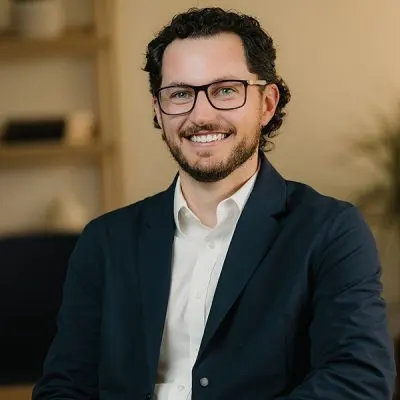
CHIEF EXECUTIVE OFFICER
I specialize in a neurological-psychological approach, integrating comprehensive neuropsychological assessments with empirically based, trauma-informed treatment. My work emphasizes brain-behavior relationships to inform personalized interventions across clinical and forensic settings.
Specializes in neuropsychological and psychological assessment, with extensive experience conducting comprehensive evaluations across the lifespan, including intellectual, achievement, adaptive functioning, and forensic assessments. My clinical expertise spans trauma-informed care, forensic psychology, and behavioral and cognitive-behavioral therapy. I have provided psychological services in diverse settings, including correctional institutions, developmental centers, and outpatient clinics, addressing a broad spectrum of mental health concerns such as anxiety, depression, psychosis, impulse control disorders, and relational dysfunction. Particularly skilled in forensic evaluations, including fitness to stand trial, conservatorship, and risk assessments, frequently serving as an expert witness.
My approach combines neurological and psychological principles to provide individualized, brain-based care. I focus on how cognitive functioning and emotional health intersect, using comprehensive assessments and evidence-based therapies like CBT. Clients can expect a supportive, structured environment aimed at promoting insight, resilience, and lasting change.